
The Rise of Tabletop Games: A Fascinating Journey
Tabletop games, an umbrella term for board games, card games, and role-playing games, have experienced a renaissance over the past few decades. This resurgence is not just due to nostalgia for simpler pre-digital times, but also because of the rich, immersive experiences these games offer. As cultural artifacts, they bring people together and unlock realms of strategic depth and creativity.
A Deep Dive into Tabletop Games
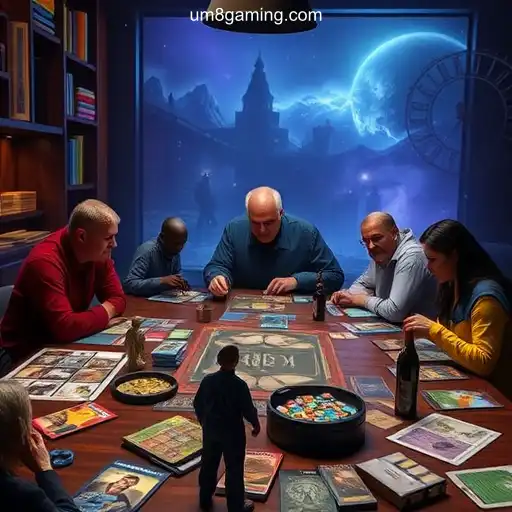
Tabletop games are more than just entertainment; they are a medium of expression and a vehicle for social interaction. In our digital age, where screens often dominate daily interactions, tabletop games offer a refreshing break. They demand face-to-face engagement, negotiation, storytelling, and sometimes unpredictably hilarious outcomes.
The sheer variety of tabletop games available today is staggering. From strategy-heavy board games like "Terraforming Mars" and "Twilight Struggle" to the storytelling epic that is "Dungeons & Dragons," there is something for everyone. Each game comes with its own mechanics, themes, and modes of play, providing unique experiences every time the dice roll or the cards are shuffled.
The Complexity and Creativity of Modern Board Games
Modern board games are often characterized by their complexity. Unlike the classic games of yesteryear like "Monopoly" or "Sorry!", contemporary board games can feature intricate strategies and multilayered narratives. Games like "Gloomhaven" integrate legacy systems that evolve with each play session, permanently altering the game world as players progress.
This intricate design reflects the creativity of game designers who blend mechanics to provide both challenge and entertainment. The use of vivid art, creative storytelling, and complex mechanics result in a complete package that immerses players in another world.
Card Games: A Blend of Strategy and Luck
Card games occupy a unique niche within the tabletop realm, providing a blend of strategy, chance, and social interaction. Classics like "Poker" and "Magic: The Gathering" require players to not only have good reflexes but also to think several steps ahead. These games often thrive on the excitement of unpredictability and the thrill of competition.
The rise of deck-building games such as "Dominion" and "KeyForge" has also transformed card gaming. These games introduce variable setup and unique play styles that shift the paradigm from traditional card game limits to expansive, customized gameplay experiences.
Role-Playing Games: Crafting Narratives and Building Worlds
No discussion about tabletop games can be complete without mentioning role-playing games (RPGs). The pioneers of this genre, "Dungeons & Dragons," have allowed players to write their own narratives for decades. Unlike traditional games, RPGs emphasize collaborative storytelling, where players create characters and embark on epic quests in worlds limited only by imagination.
RPGs are pillars of creativity; they encourage players to think outside the box, explore nuanced worlds, and interact with richly developed characters. The Dungeon Master takes on the role of the narrator, guiding the flow of the story while players improvise and shape the outcome.
UM8 A Plataforma de Apostas #1 do Brasil UM8.Com 🏅: Bridging Real and Virtual Worlds
In recent years, the convergence of tabletop games and digital platforms has become apparent with the emergence of online communities and digital adaptations. In Brazil, platforms like UM8 A Plataforma de Apostas #1 do Brasil UM8.Com 🏅 have bridged this gap, creating spaces where traditional gaming is transformed into a dynamic online experience.
UM8.Com not only acts as a platform for gaming but also introduces elements of online betting, bringing a new layer of excitement to tabletop enthusiasts. The fusion of these two worlds reflects a broader trend in the gaming industry where digital and physical gaming experiences coexist and enrich each other.
The Evergreen Appeal of Tabletop Gaming
The enduring allure of tabletop gaming lies in its ability to adapt and evolve. As new games push the boundaries of what tabletop experiences can be, communities of players continue to grow and thrive. Whether within the intimate setting of a living room or across an expansive online platform like UM8.Com, these games foster an unbroken chain of connectivity, creativity, and camaraderie.
In conclusion, tabletop games are not just a pastime; they are a cultural phenomenon that reflects who we are—or want to be. They challenge us, bring us together, and most importantly, allow us to escape into worlds beyond our own, if only for a little while.